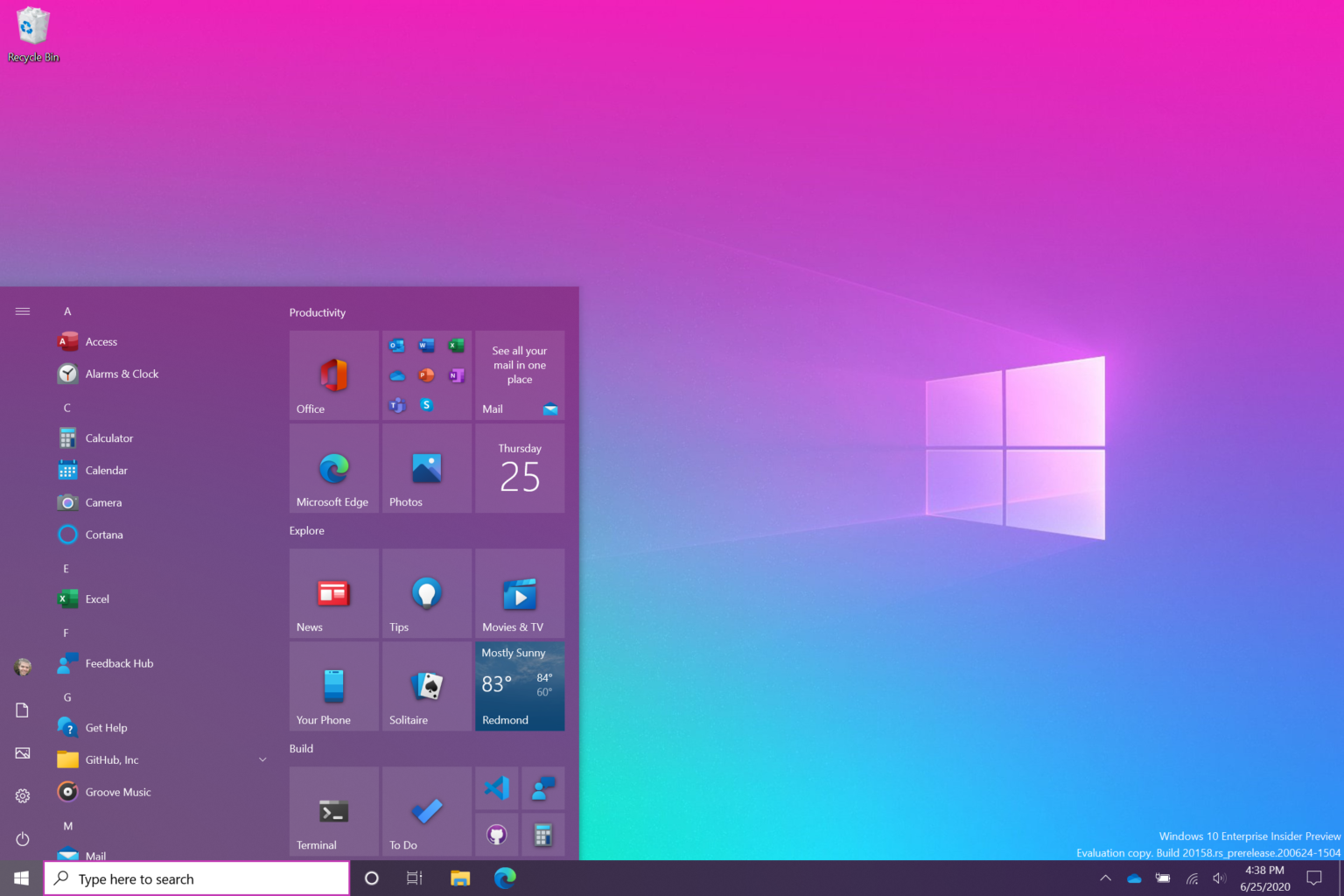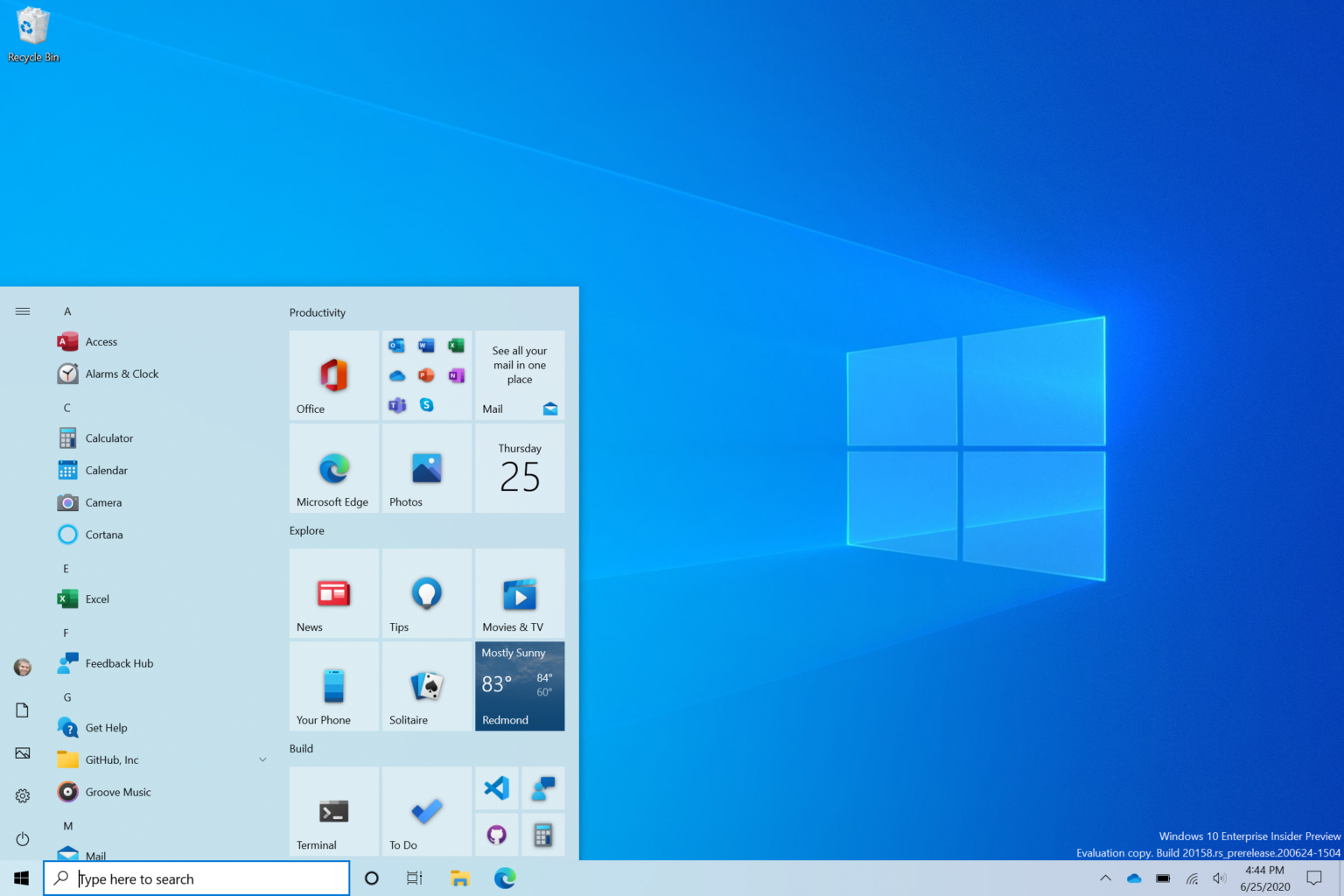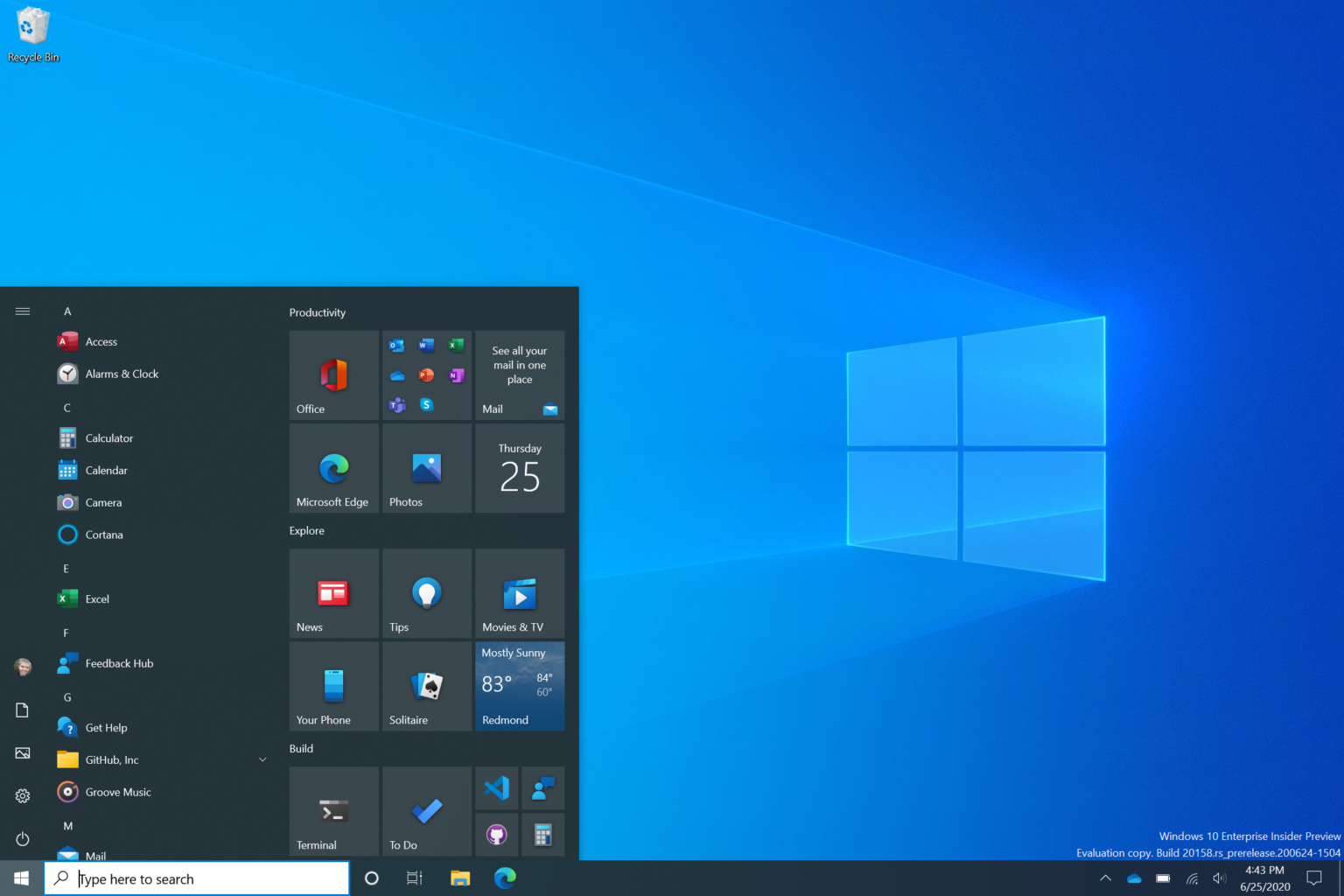
With its release on July 29, 2015, the Windows 10 operating system is comparatively fresh. Throughout development, Microsoft maintained its focus on unity. It is compatible with Xbox One consoles, laptops, tablets, smartphones, and PCs. As was the case with earlier iterations, this single platform enables settings synchronisation.
Special consideration should be given to the distribution of the operating system. Many people are hesitant to move from Windows 7 and 8, which are quite decent. These operating systems have a sizable market share, according to statistics. For users of these operating systems, the developer has provided a fantastic opportunity: a free upgrade within a year of release. It’s interesting to note that Windows 10 will be the final version to be packaged. It will only be available digitally going forward.
- Microsoft Edge: With its speed and site-marking features, this default web browser took the place of Internet Explorer.
- Integrated Security: BitLocker drive encryption, a firewall, and Windows Defender antivirus provide strong defence.
- Windows Hello: Biometric security that enables users to unlock their computers with an iris scan, fingerprint reader, or facial recognition
Editions for All
Microsoft offered Windows 10 in a number of customised versions to meet the demands of various consumers and businesses. The most popular versions are Windows 10 Pro, which offers enhanced networking, remote desktop features, and sophisticated data security for small enterprises, and Windows 10 Home, which is used for daily home usage. The Enterprise and Education editions are used by larger businesses and educational organisations.
Present Situation and Lifecycle of Support
The official End of Support for Windows 10 was reached on October 14, 2025. Microsoft no longer offers free technical assistance, operating system security upgrades, or bug fixes.
Microsoft strongly advises updating to Windows 11 since machines running it will become more susceptible to malware and security risks. To guarantee that PCs can still receive critical security fixes, a paid Extended Security Updates (ESU) programme was made available for users or organisations who truly need additional time.